
The era of relying on a single, all-in-one software solution is fading. To get the best results, firms now demand greater functionality by creating a powerful ecosystem of specialized applications. While your ERP remains the heart of your operations, it now must connect with these other tools where your data is often trapped. The critical challenges aren’t just having these applications – it’s making them work together seamlessly.
Choosing how to connect these disparate systems is a strategic decision that directly impacts your firm’s agility and growth. The two most common approaches, APIs and Stored Procedures, offer different paths to unlocking your data. Understanding which tool to use, and when, is key to building a connected, future-ready firm.
What is a Stored Procedure? The Database Workhorse
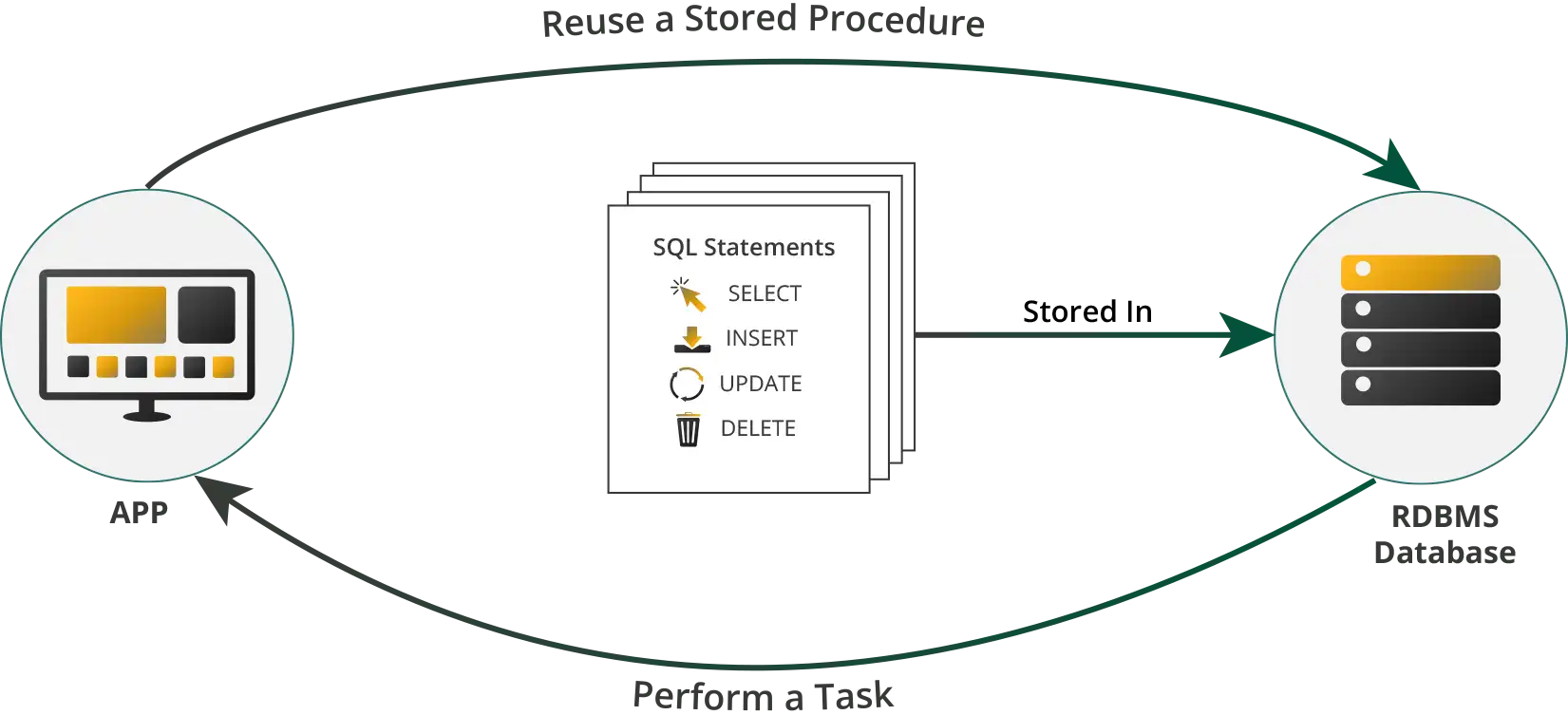
Think of a stored procedure as a pre-packaged set of instructions stored directly within your database. It’s a precompiled collection of SQL statements designed to execute high-volume, repetitive tasks with maximum efficiency and control. For operations that demand both consistency and high performance, stored procedures are a powerhouse.
When working within Deltek, for example, stored procedures are often the go-to solution for internal database tasks like autonumbering new project records, ensuring data stays synchronized between different hubs, or running complex timesheet validation rules before posting.
Key benefits:
- Performance: Optimized execution for repeated, data-intensive operations.
- Reusability: Write a complex query once and call it whenever needed.
- Security & Governance: Provides a highly controlled and secure way to interact with your database.
- Maintainability: Centralized logic simplifies future updates and troubleshooting
What is an API? The Secure Bridge Between Systems
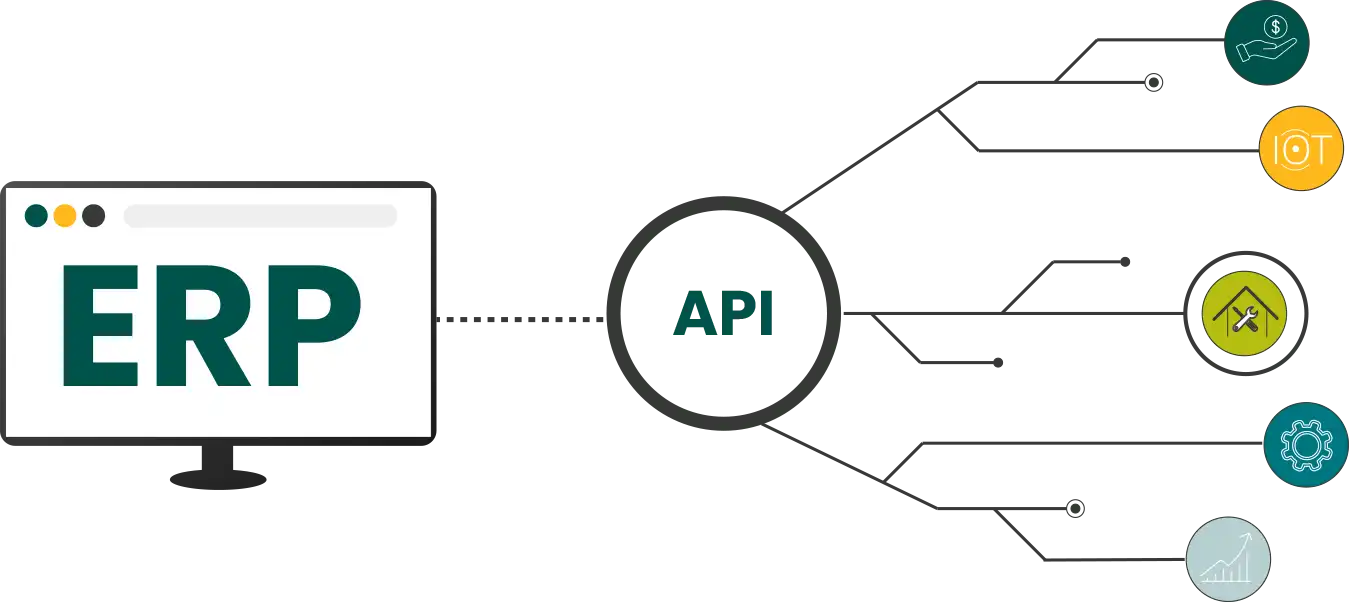
An API (Application Programming Interface) acts as a secure and managed gateway that allows your ERP to communicate with third-party systems. Rather than operating within the database, APIs function as a well-defined contract, specifying how other applications can request data or trigger actions. They are built and maintained like products, with built-in monitoring, version control, and robust security features for machine-to-machine communication.
APIs are the essential tool for connecting your Deltek environment to the outside world. Common use cases include exporting project data to an external analytics platform, replicating data to a cloud data warehouse, or enabling real-time workflows between your ERP and CRM system.
Key benefits:
- Automation: Enables seamless, real-time workflows between different applications.
- Innovation: Allows your core ERP and connected systems to evolve independently without breaking each other.
- Modern Security: Enforces modern authentication and granular data access controls.
- Scalability: Provides a flexible and scalable way to expand your firm’s technology ecosystem.
How APIs and Stored Procedures Compare
The choice between them comes down to the job at hand. One is a precision instrument for internal work, while the other is a versatile bridge to the outside world.
API:
- Scope: Interface for data and function connectivity between different systems.
- Involves: Calling endpoints via web protocols (e.g., REST, SOAP).
- Best Use Case: Accessing or pushing data securely to an external application (like a CRM or a separate analytics platform).
Stored Procedure:
- Scope: Operations that occur entirely at the database level.
- Involves: Executing pre-compiled SQL commands directly within the database.
- Best Use Case: Querying or modifying data for an internal process (like custom timesheet validation or autonumbering).
Accelerate Your Success with the Right Integration Strategy
A well-architected system transforms scattered data into a trusted engine for insight. At Stambaugh Ness, we are deeply embedded in the AEC industry and understand that system integration isn’t just an IT task; it’s a critical component of your growth strategy.
Our Data Solutions team applies an Anticipatory Approach, looking beyond the immediate connection to ensure your integration strategy is scalable, secure, and truly positions you one step ahead. We help you choose the right tools not just for today’s needs, but for your future success.
Ready to unlock the full potential of your data by connecting your systems? Let’s build the bridges that will accelerate your firm’s performance.
Discover what a connected data strategy could do for your firm. Contact us today to get started.
 |
Michael DiOrio is director of Deltek data solutions and practice sales support at Stambaugh Ness. Connect with him on LinkedIn. |